
Blog
Hiring a software team: how the right partner helps you ship faster
When hiring an external software team makes sense, what a strong partner brings, and how to start while keeping full ownership of your system.
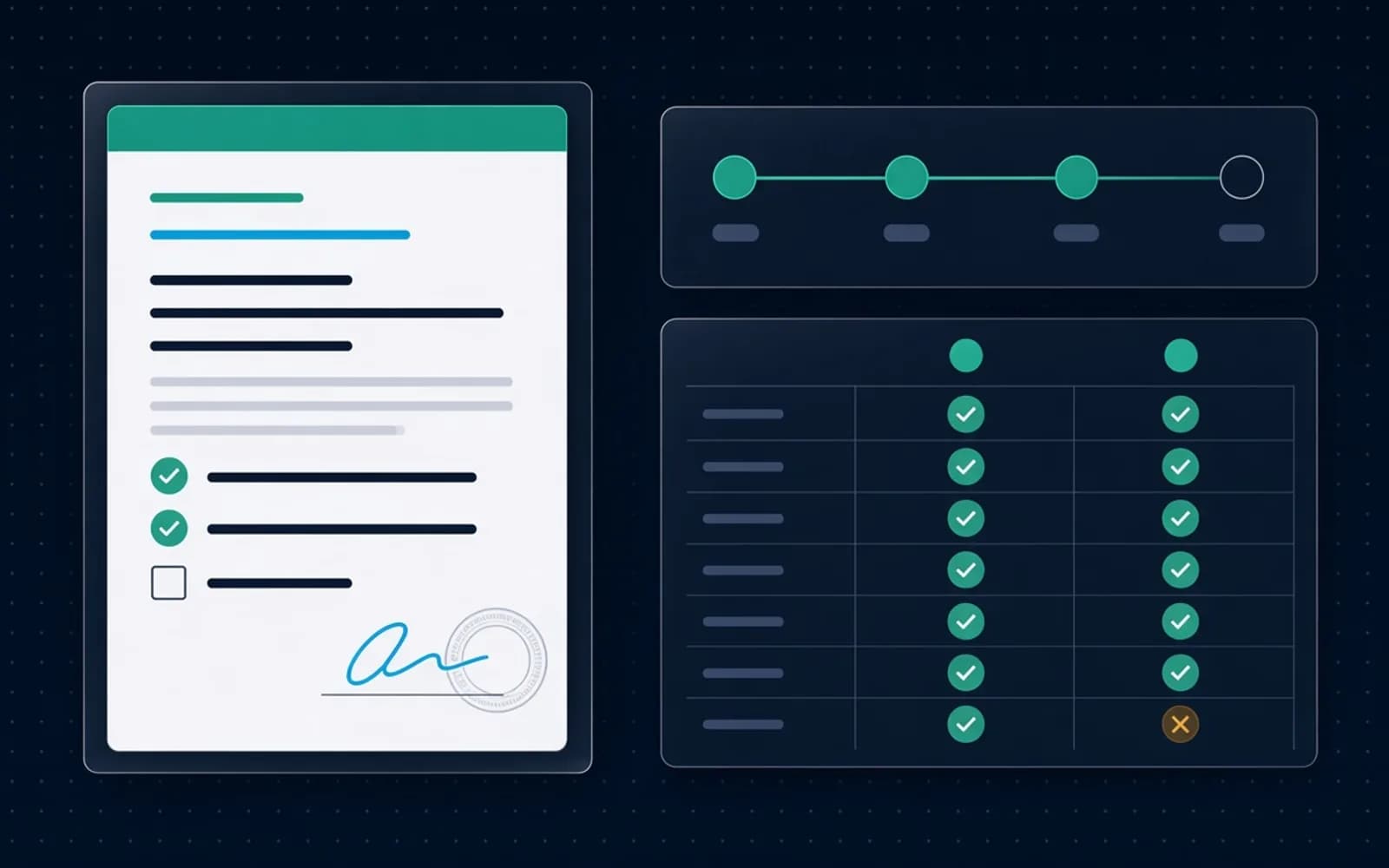
Hiring an external software team isn’t “handing the work to strangers”. For many businesses it is a way to add capacity so a system ships on time while the business still owns the product.
When outsourcing makes sense
Not every problem needs a full in-house engineering team right away. Outsourcing often makes sense when:
- You need the first phase this quarter: there is a clear business deadline and you need a team ready to run discovery and deliver by milestone.
- Your in-house team is thin: you have people who understand the business but not enough engineering capacity to launch a new system.
- You want it done properly from the start: architecture, ownership, and operations set up right, not patched together.
Signs of a partner worth working with
You can usually tell in the first conversation:
- They ask about your operations before technology: they want to understand the process, users, and constraints, then propose a right-sized solution.
- They turn scope into milestones: you know what phase 1 delivers, when it is accepted, and what waits.
- You own the system from day one: source code, cloud, and domain sit under your company, with the partner granted working access.
- There is a plan after go-live: monitoring, support, and a path to extend, not just launch day.
- They are direct about trade-offs: they explain why they chose approach A over B, including the real maintenance cost.
A gentle way to start
You don’t need to commit to everything up front.
Four steps of working together
Step 1
A short brief
Share the problem, the users, the deadline, and a rough budget. A full technical specification isn’t needed yet.
Step 2
Discovery workshop
Clarify the current state together, choose a first phase that creates value early, and lock acceptance criteria.
Step 3
A small pilot
Deliver one small slice on your own accounts, enough to judge the way of working and the quality.
Step 4
Scale with control
Take on the next milestones, tie them to operations, and hand over to your internal team gradually if you wish.
Staying in control while you outsource
The biggest worry with outsourcing is dependency. It only happens when ownership is unclear. When source code and infrastructure are in your name and milestones are transparent, outsourcing adds capacity rather than handing over the keys. More in the article on owning your source and infrastructure.
How MinTech works: discovery before building, clear milestones and acceptance, you own the system, and we support it after go-live. See the solutions path or how we work.
Frequently asked questions
When should we hire an external software team?+
When you need delivery speed, lack deep in-house capacity, or want a partner from discovery through operations, while still owning your source code and infrastructure.
Does outsourcing create dependency?+
Harmful dependency comes from unclear ownership. With your repo and cloud accounts and clear milestones, outsourcing adds capacity; it doesn’t hand over the keys.
How does MinTech work with clients?+
Discovery, design, web and mobile development, testing, then operations. Each phase has a clear scope, and accounts, source code, and infrastructure stay under your company.